Common Causes Of Car Dents And How To Avoid Them
It only takes a second. You park, step away from your car and return later to find a small dent you swear was not there before. Car dents are one of the most common types of vehicle damage, and they often happen in everyday situations most drivers would never expect. While not every dent can be avoided, understanding the typical causes can help reduce the risk.
If you ever need dent repair on the Sunshine Coast, knowing how and why dents occur can also help you decide the most practical solution. This guide looks at the most common causes of car dents and shares simple steps drivers can take to minimise the chances of damage in the first place.
Car Park Dings & Tight Spaces
Car parks are one of the most frequent sources of dents. Tight bays, hurried drivers and limited visibility all contribute to minor impacts.
Common causes in car parks include:
- Doors swinging open into neighbouring vehicles
- Cars reversing without adequate clearance
- Drivers misjudging the width of their vehicle
- Parking too close to high-traffic walkways
To reduce the risk:
- Choose bays further from entrances where possible
- Park between vehicles that appear well positioned
- Fold mirrors in when space is limited
- Reverse park to improve visibility when leaving
Even careful drivers can return to a dent caused by someone else. When that happens, professional assessment can determine whether paintless dent removal or panel repair is suitable.
Shopping Trolleys & Loose Objects
A rolling trolley can do more damage than most people expect. Slight slopes, windy conditions and unattended carts often lead to contact with parked vehicles.
Other loose objects can also cause dents, including:
- Bicycles leaning against cars
- Wheelie bins tipped over by wind
- Sporting equipment stored loosely in garages
Simple prevention steps include:
- Parking away from trolley return points
- Checking surroundings before leaving your vehicle
- Securing items properly in home garages
Small dents from trolleys are often good candidates for specialised dent repair techniques that restore the panel without major repainting.
Hailstorms & Severe Weather
Weather events can cause multiple dents in a short period of time. Hail damage in particular can leave dozens of small indentations across the bonnet, roof and boot.
To minimise weather-related dents:
- Use covered parking whenever possible
- Invest in a hail cover during storm seasons
- Monitor weather alerts before parking outdoors
When storms do hit, assessing the full extent of the damage is important. A professional inspection can determine whether paintless dent repair is appropriate or if panel refinishing is required.
Minor Rear-End or Low-Speed Collisions
Not all dents happen at high speed. Low-speed impacts in traffic or car parks can create noticeable panel damage even when vehicles remain drivable.
Situations that often lead to dents include:
- Stop-start traffic where distances are misjudged
- Reversing into unseen objects
- Rolling into another vehicle on a slope
Prevention tips include:
- Maintaining safe following distances
- Using reversing cameras and sensors effectively
- Pausing briefly before moving off in heavy traffic
Even minor accidents can affect panel alignment. Addressing damage early can help prevent rust or paint deterioration later.
Falling Branches & Tree Debris
Parking beneath trees offers shade, but it also carries risk. Falling branches, seed pods and even large nuts can leave dents in panels.
To reduce this risk:
- Inspect overhead branches before parking
- Avoid parking under visibly weak limbs
- Clear driveways of debris after storms
Tree-related dents can vary in severity. In some cases, dent repair on the Sunshine Coast may involve reshaping panels and refinishing affected areas to maintain the vehicle’s appearance.
Garage Mishaps & Driveway Accidents
Home garages are another common source of minor dents. Tight turning angles, clutter and unfamiliar vehicles can all contribute.
Common home-related causes include:
- Reversing into stored equipment
- Doors contacting garage walls
- Bikes or tools falling against the vehicle
Reducing risk at home can involve:
- Keeping garages organised and clutter free
- Installing protective padding on walls
- Using mirrors to improve visibility when parking
Addressing small dents early often makes repairs more straightforward compared to leaving them untreated.
Road Debris & Flying Stones
While dents are often associated with parking incidents, driving conditions can also play a role. Stones flicked up by other vehicles may impact body panels, especially on highways.
Prevention strategies include:
- Keeping a safe distance from trucks and heavy vehicles
- Avoiding driving through loose gravel when possible
- Reducing speed on poorly maintained roads
Although stone chips are more commonly associated with paint damage, larger debris can leave visible indentations that benefit from prompt repair.
Accidental Contact During Everyday Use
Sometimes dents occur during routine activities without drivers realising it. Leaning heavily on a panel, placing heavy items on the bonnet or bumping the vehicle while loading groceries can all contribute.
To reduce minor accidental dents:
- Avoid placing weight on exterior panels
- Open doors carefully in tight spaces
- Be mindful when loading large or awkward items
Modern vehicle panels can be surprisingly thin, making them more susceptible to small impacts.
Why Addressing Dents Early Matters
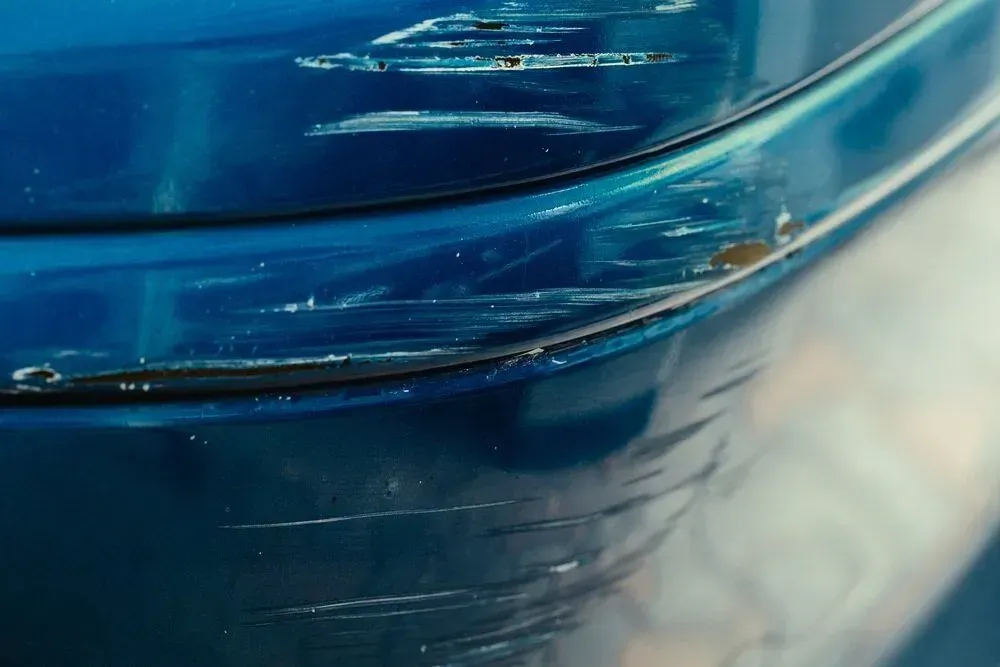
While a small dent may seem purely cosmetic, leaving it unattended can lead to additional concerns. Paint cracks may allow moisture to reach the metal beneath, increasing the risk of corrosion over time.
Seeking dent repair soon after damage occurs can help maintain the condition of your vehicle’s exterior. Repair methods vary depending on dent size, paint condition and panel location, so professional assessment plays a key role in determining the most suitable approach.
Understanding Modern Dent Repair Techniques
Advancements in repair techniques mean not all dents require extensive panel replacement or repainting. In many cases, paintless dent repair can reshape the panel from behind without affecting the original finish.
Factors that influence repair options include:
- Depth and size of the dent
- Whether paint has cracked
- Location on the panel
- Access to the rear of the damaged area
Where paint damage is present, traditional panel repair and refinishing may be required. Discussing options with a repair specialist provides clarity on what is involved.
Book With Us – Professional Dent Repair on the Sunshine Coast
At Coastal Collision, we assist drivers across the Sunshine Coast with practical solutions when dents occur. From minor car park dings to weather-related panel damage, our team provides thorough assessments and tailored repair options. If you are dealing with vehicle damage and considering dent repair, contact us to arrange an inspection.